
Explore Middle Eastern Food and Cuisine Restaurant in Sydney
Sydney's food culture brings together culinary traditions from around the world, giving residents and visitors countless opportunities to discover new flavours. Among the many international cuisines available, Middle Eastern food Sydney stands out for its distinctive ingredients, aromatic spices, traditional cooking techniques and generous approach to dining.
Whether you enjoy freshly prepared salads, grilled specialities, traditional dips or flavourful rice dishes, exploring Middle Eastern food has to offer can introduce you to a variety of exciting meals. From casual lunches to family dinners and group celebrations, Middle Eastern cuisine offers something for different occasions. Understanding its flavours, popular dishes and dining styles can help you make the most of your next restaurant visit.
Discover the Diversity of Middle Eastern Food in Sydney
Middle Eastern cuisine represents a broad collection of culinary traditions influenced by countries and regions across the Middle East. Lebanese, Turkish, Persian and Levantine cooking, for example, each have their own ingredients, recipes and preparation methods.
Despite these differences, many dishes share an appreciation for fresh produce, aromatic seasonings, herbs, legumes and carefully prepared ingredients.
When exploring Middle Eastern food, you may come across dishes featuring chickpeas, lentils, eggplant, parsley, mint, lemon, garlic, sesame and olive oil. These ingredients contribute to the distinctive flavours and textures associated with the cuisine.
Some meals are light and refreshing, while others feature slow-cooked ingredients, grilled meats and rich sauces. This diversity makes Middle Eastern food suitable for people who enjoy both familiar dishes and new culinary experiences.
For food lovers, trying different regional specialities is an excellent way to appreciate the depth of this cuisine.
What Makes a Middle East Cuisine Restaurant Special?
A good Middle East cuisine restaurant offers more than a selection of traditional dishes. It introduces diners to a combination of flavours, preparation techniques and hospitality that make the overall experience enjoyable.
One of the defining characteristics of Middle Eastern dining is the balance of ingredients. Fresh vegetables and herbs provide brightness, spices add depth, and grilled ingredients introduce smoky flavours. Dips, sauces and freshly prepared breads bring different elements together.
Another important feature is variety. Rather than limiting the meal to one type of preparation, diners can explore several dishes with different ingredients and textures.
For example, a meal might include a fresh salad, a selection of dips, warm bread and a grilled speciality. This combination allows guests to experience different flavours within one sitting.
When choosing a restaurant, consider its menu diversity, preparation style, dining atmosphere and suitability for your occasion.
Popular Dishes to Explore at a Middle Eastern Restaurant
A Middle Eastern restaurant can introduce diners to a wide range of traditional dishes. While menus differ between establishments, several food categories are commonly associated with Middle Eastern cooking.
Here are some popular options worth exploring.
1. Mezze and appetisers
Mezze refers to a selection of smaller dishes that can be enjoyed before or alongside a main meal. These may include dips, vegetables, salads and other savoury specialities. Mezze is particularly suitable for sharing with friends and family.
2. Traditional dips
Dips such as hummus, baba ganoush and other regional preparations offer different textures and flavours. Made with ingredients such as chickpeas, eggplant, tahini and herbs, they are often served with bread or fresh vegetables.
3. Grilled specialities
Grilling is an important cooking method in several Middle Eastern food traditions. Grilled meats, skewers and vegetable dishes can provide smoky flavours and satisfying textures.
4. Rice-based dishes
Rice is used in many regional recipes and can be served with meat, vegetables, herbs and aromatic seasonings. These dishes often provide a substantial option for lunch or dinner.
5. Fresh salads
Salads featuring parsley, mint, cucumber, tomato, lemon and other fresh ingredients provide a refreshing contrast to grilled and cooked dishes.
Exploring different categories rather than ordering only one familiar dish can make your restaurant experience more interesting.
Experience the Variety of a Middle Eastern Buffet
For diners who enjoy sampling different dishes, a Middle Eastern buffet can be an appealing dining option.
Buffet-style dining allows guests to select from a range of available dishes and create their own meal. Depending on the restaurant, the selection may include salads, dips, rice dishes, grilled specialities, vegetarian options and desserts.
One of the main advantages of a buffet is flexibility. Guests can choose smaller portions of different dishes, discover unfamiliar flavours and return for additional servings according to the venue's dining arrangements.
A buffet can also work well for families and groups because everyone can select food according to their preferences.
Before visiting, check whether the restaurant currently offers buffet service, as availability, menu selection and operating days can vary. It is also worth confirming pricing and whether bookings are required.
If a buffet is not available, restaurants offering shared plates can provide another way to experience a variety of Middle Eastern flavours.
Finding the Right Middle Eastern Restaurant in Sydney
With different cuisines and dining styles available across the city, selecting the right middle eastern restaurant Sydney depends on individual preferences.
Rather than choosing a restaurant based only on its location, consider the complete dining experience.
Here are some factors worth checking:
Menu selection: Look for a variety of traditional dishes, appetisers, mains and accompaniments.
Ingredient quality: Fresh herbs, vegetables, spices and carefully prepared ingredients can contribute to a satisfying meal.
Dietary choices: Check whether vegetarian, vegan or other dietary requirements can be accommodated.
Dining atmosphere: Consider whether the setting suits a casual lunch, family gathering or special dinner.
Menu transparency: Clear descriptions can help you understand ingredients and preparation methods.
Customer feedback: Recent reviews may provide useful information about food, service and the overall experience.
Convenience: Check the restaurant's location, opening hours, parking and booking requirements.
Taking these factors into account can help you find a restaurant that matches your expectations.
Middle Eastern Food for Vegetarians and Food Lovers
One of the appealing aspects of Middle Eastern cuisine is its use of plant-based ingredients. Chickpeas, lentils, eggplant, vegetables, grains, herbs and tahini feature in many traditional recipes.
These ingredients can be combined to create satisfying meals with plenty of flavour and texture.
Vegetarian diners may enjoy exploring different dips, fresh salads, vegetable dishes and legume-based specialities. Those who prefer meat can complement these options with grilled dishes or other traditional preparations.
This variety also makes Middle Eastern dining suitable for mixed groups. Instead of everyone having to choose the same type of food, guests can select dishes that match their individual preferences.
If you follow a specific diet or have food allergies, always confirm ingredients and preparation practices directly with the restaurant.
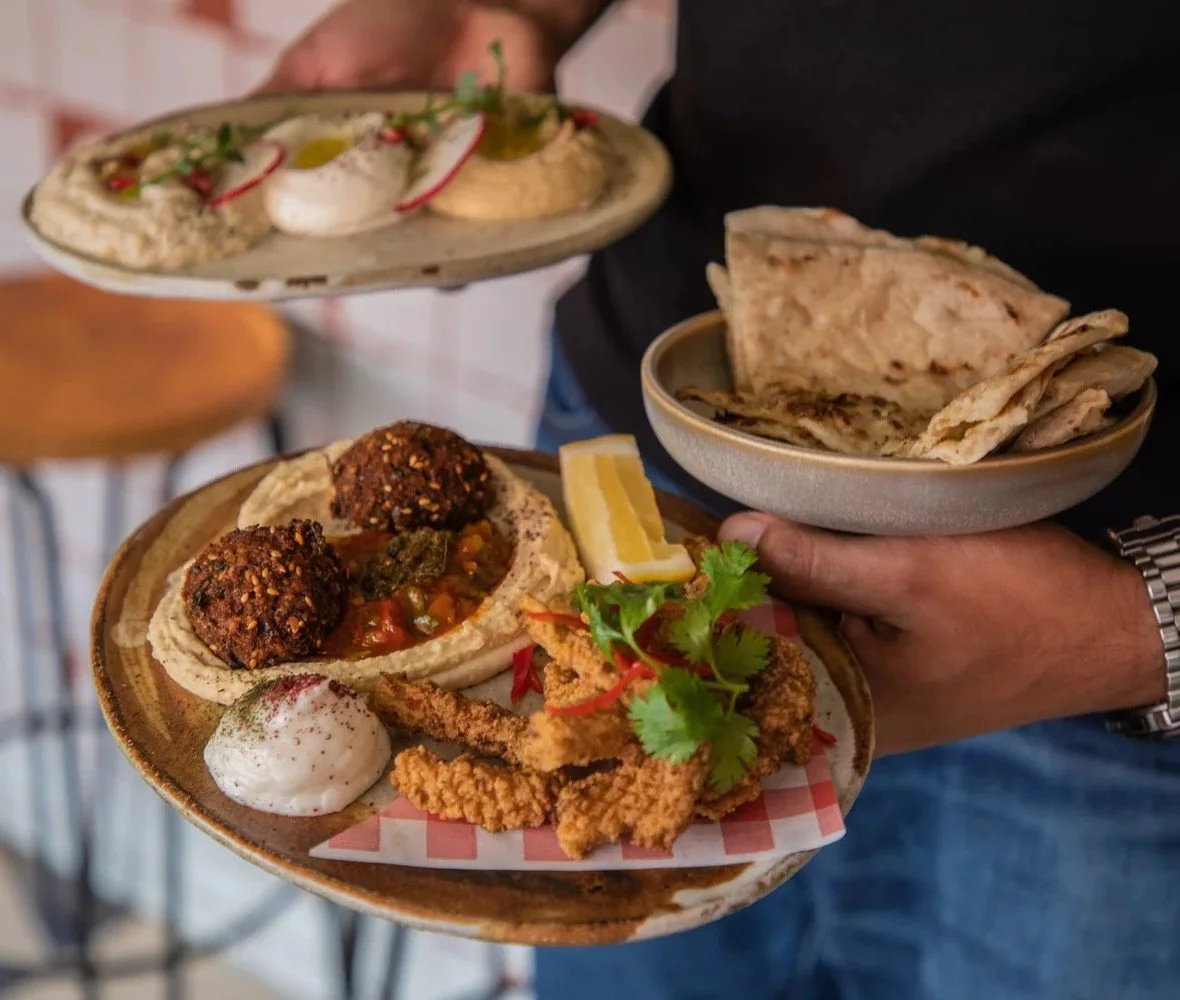
Enjoying Middle Eastern Food for Lunch and Dinner
Middle Eastern cuisine offers flexibility throughout the day, depending on the restaurant's menu and opening hours.
For lunch, diners may prefer lighter options such as salads, dips, breads and smaller dishes. These can provide a satisfying meal without making the dining experience overly formal.
Dinner offers more time to explore different dishes. Guests can begin with appetisers, enjoy grilled specialities or rice-based meals, and finish with a traditional dessert.
If you are visiting a middle eastern restaurant, consider exploring something beyond your usual order. Trying a new dish or combining several smaller options can help you discover flavours you may not have experienced before.
Checking the menu in advance is also useful when planning a meal around a particular occasion or dietary requirement.
Conclusion
Sydney's multicultural dining scene provides plenty of opportunities to explore international cuisines, and Middle Eastern food offers a distinctive combination of tradition, freshness and flavour.
Whether you are searching for a Middle East cuisine restaurant, diners can explore there is plenty to discover.
Choose a restaurant that suits your preferences, explore unfamiliar dishes and enjoy the experience of sharing good food with the people around you.